Pesquisar este blog

sábado, 12 de janeiro de 2013

Falando sozinho - Ruy Castro

Autumn Walk Scrolling background Autumn Walk for iPhone and Android is Fun and Interesting


sábado, 12 de janeiro de 2013


Ruy Castro

FOLHA DE SÃO PAULO

Falando sozinho
RIO DE JANEIRO - Numa fase de muitas idas a trabalho a Nova York, Londres e Paris, nos anos 80 e 90, nunca me acostumei com as pessoas falando sozinhas que via pelas ruas dessas cidades. Não eram mendigos ou bebuns no último furo, o que poderia denotar uma avançada degradação mental -mas homens e mulheres de terno ou tailleur, graves, sóbrios, com pinta de altos executivos. Falavam em tom de voz mediano e regular, como se estivessem decifrando um conceito fenomenológico ou calculando o valor de pi.
Como não via isso no Brasil, exceto nos miseráveis de praxe, deduzi que falar sozinho era uma característica da civilização. Devia ser coisa de gente cujo bisavô tinha sido amigo de Lincoln, Lewis Carroll ou Rimbaud e, desde então, habituara-se a conviver com filósofos, astrônomos e primeiros-ministros dizendo coisas importantes ao seu redor -e era com elas que "dialogava" enquanto atravessava a rua.
Dialogava mesmo, porque eram falas que sugeriam pergunta e resposta, acompanhadas de gestos com as mãos e a cabeça. Eu me perguntava se aquelas pessoas não estariam ouvindo de verdade as vozes que os faziam falar sozinhos.
Bem, passaram-se muitos anos e, de algum tempo para cá, tenho cruzado nas ruas de RJ e SP com homens e mulheres graves, sóbrios, com pinta de altos executivos -e também falando sozinhos. Oba, chegamos à civilização -pensei. Na minha fantasia, imaginei-os descendentes de conselheiros do Segundo Reinado.
Só que, ao me aproximar de alguns, pude escutar o que falavam. Um discutia o Flamengo da véspera; outra contava o que acabara de ouvir na Ana Maria Braga etc. Todos usavam um Bluetooth, o minifone invisível que se acopla à orelha e faz parecer que o sujeito está falando sozinho. Mas não, ninguém estava falando sozinho, e muito menos calculando o valor de pi.


sexta-feira, 11 de janeiro de 2013

SEM FANTASIA - Chico Buarque e Maria Bethânia -


Sem fantasia
Chico Buarque/1967
Para a peça Roda Viva de Chico Buarque

Vem, meu menino vadio
Vem, sem mentir pra você
Vem, mas vem sem fantasia
Que da noite pro dia
Você não vai crescer
Vem, por favor não evites
Meu amor, meus convites
Minha dor, meus apelos
Vou te envolver nos cabelos
Vem perder-te em meus braços
Pelo amor de Deus
Vem que eu te quero fraco
Vem que eu te quero tolo
Vem que eu te quero todo meu

Ah, eu quero te dizer
Que o instante de te ver
Custou tanto penar
Não vou me arrepender
Só vim te convencer
Que eu vim pra não morrer
De tanto te esperar
Eu quero te contar
Das chuvas que apanhei
Das noites que varei
No escuro a te buscar
Eu quero te mostrar
As marcas que ganhei
Nas lutas contra o rei
Nas discussões com Deus
E agora que cheguei
Eu quero a recompensa
Eu quero a prenda imensa
Dos carinhos teus

LÁGRIMAS NEGRAS - GAL COSTA - JORGE MAUTNER


Lágrimas Negras

Na frente do cortejo
O meu beijo
Muito forte como o aço
Meu abraço
São poços de petróleo
A luz negra dos seus olhos
Lágrimas negras cai, sai
Dói

Por entre flores e estrelas
Você usa uma delas como brinco
Pendurada na orelha
É o astronauta da saudade
Com boca toda vermelha
Lágrimas negras cai, sai
Dói

São como pedras de moinho
Que moem, roem, moem
E você baby vai, vem, vai
E você baby vem, vai, vem
Belezas são coisas acesas por dentro
Tristezas são belezas apagadas pelo sofrimento
Belezas são coisas acesas por dentro
Tristezas são belezas apagadas pelo sofrimento
Lágrimas negras caem, saem, doem

Quem é quem????

Será que consegue identificar todas as personalidades ilustradas pelo artista David Cowles
Faça o teste e depois diga o resultado...boa sorte =)
David Cowles 1
David Cowles 2

1.jpg
2.jpg
3.jpg
4.jpg
5.jpg
6.jpg
7.jpg
8.jpg
9.jpg
10.jpg


http://lounge.obviousmag.org/sphere/2013/01/david-cowles.html

It's a Long Way - Caetano Veloso


terça-feira, 8 de janeiro de 2013

Samba em Prelúdio - Baden Powell


Samba em Prelúdio

Composição: Baden Powell e Vinícius de Moraes

Eu sem você não tenho porque,
porque sem você não sei nem chorar
Sou chama sem luz jardim sem luar,
luar sem amor, amor sem se dar
E eu sem você sou só desamor
um barco sem mar um campo sem flor
Tristeza que vai tristeza que vem
Sem você meu amor eu não sou ninguém

Ah! que saudade que vontade de ver renascer nossa vida
Volta querido os meus braços precisam dos teus
Teus abraços precisam dos meus,
Estou tão sozinha tenho os olhos cansados de olhar para o além
Vem ver a vida
Sem você meu amor eu não sou ninguém

sexta-feira, 4 de janeiro de 2013

"Ladies And Gentlemen... The Rolling Stones"

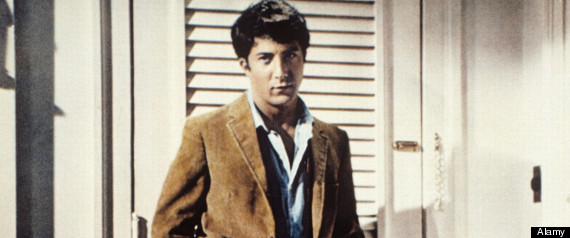
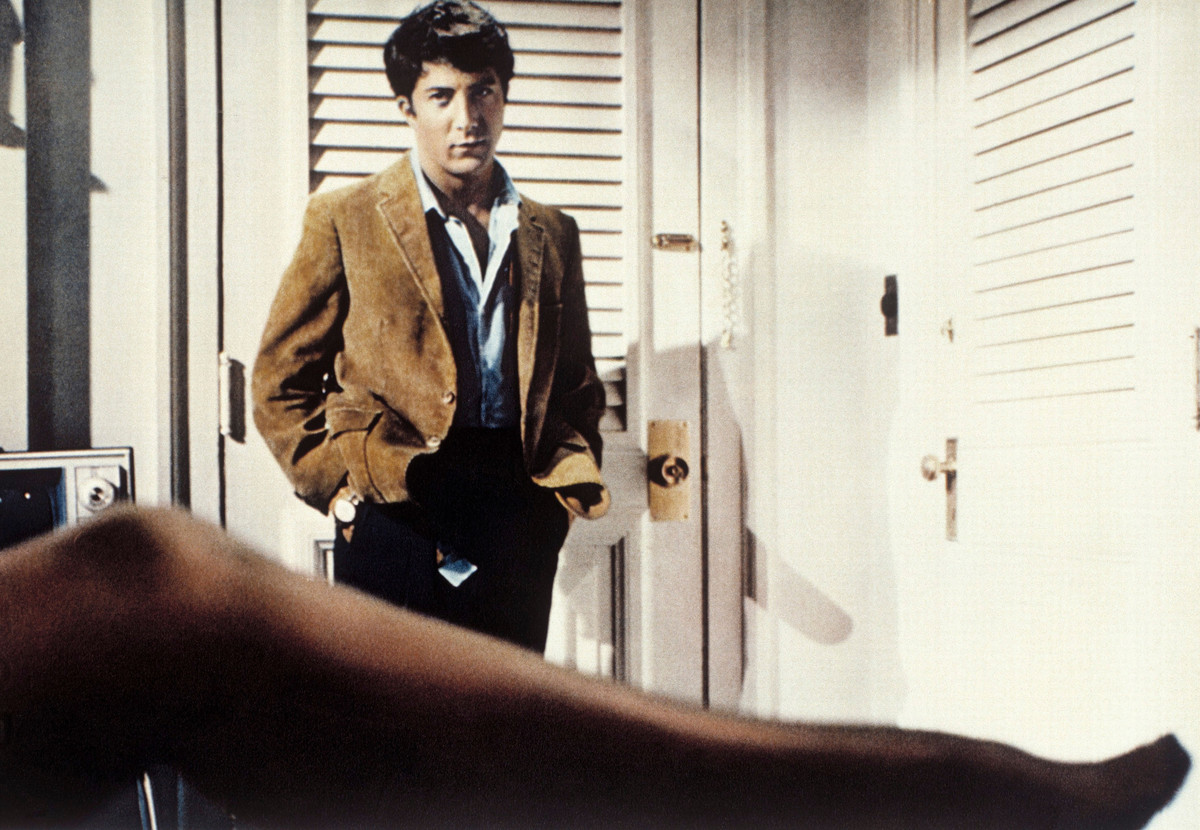
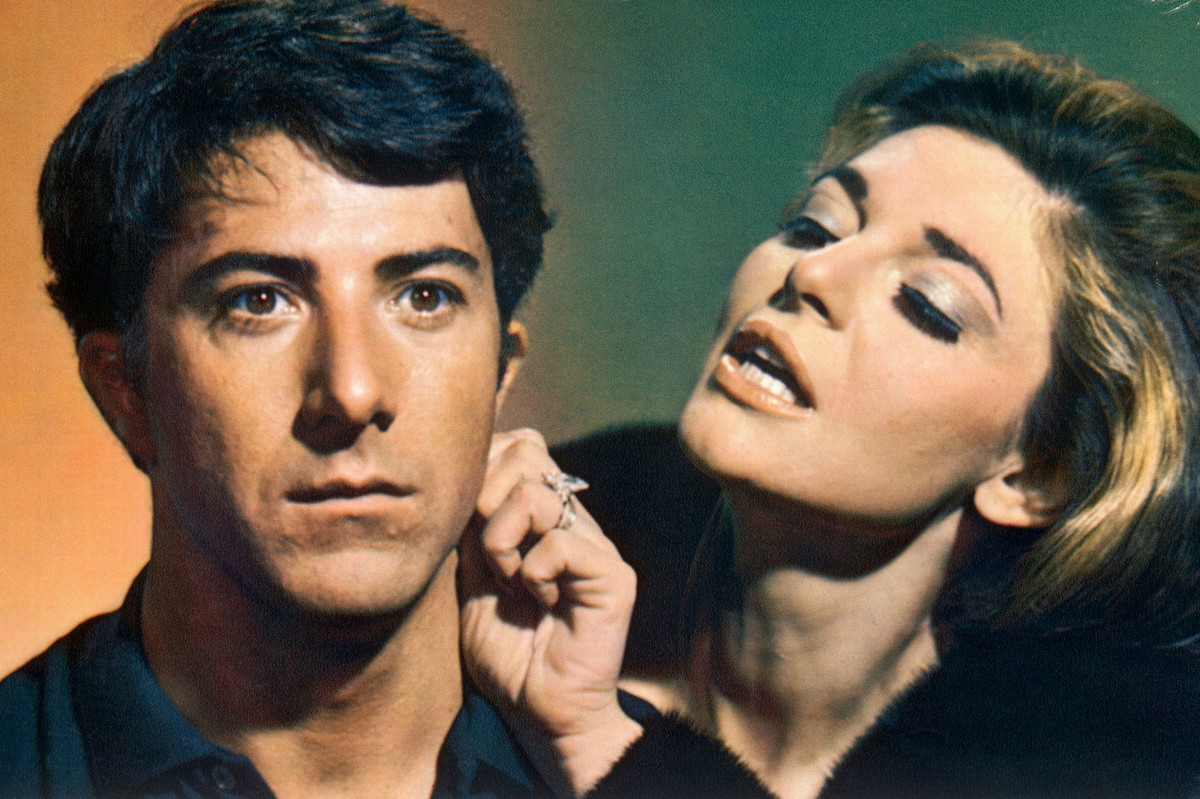
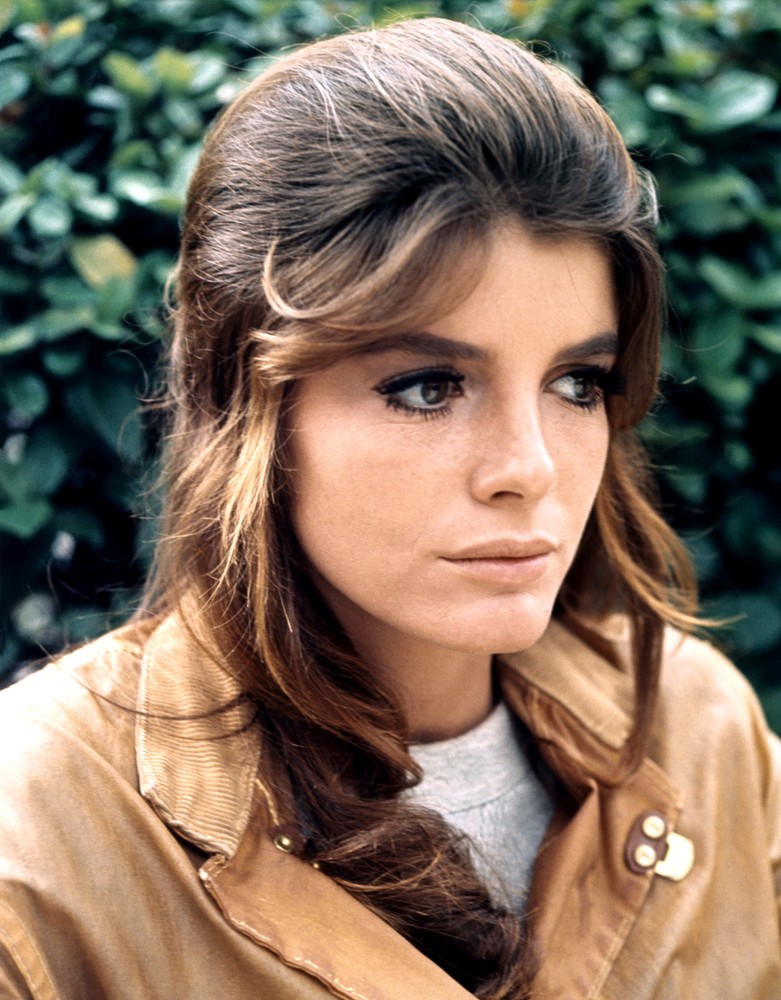
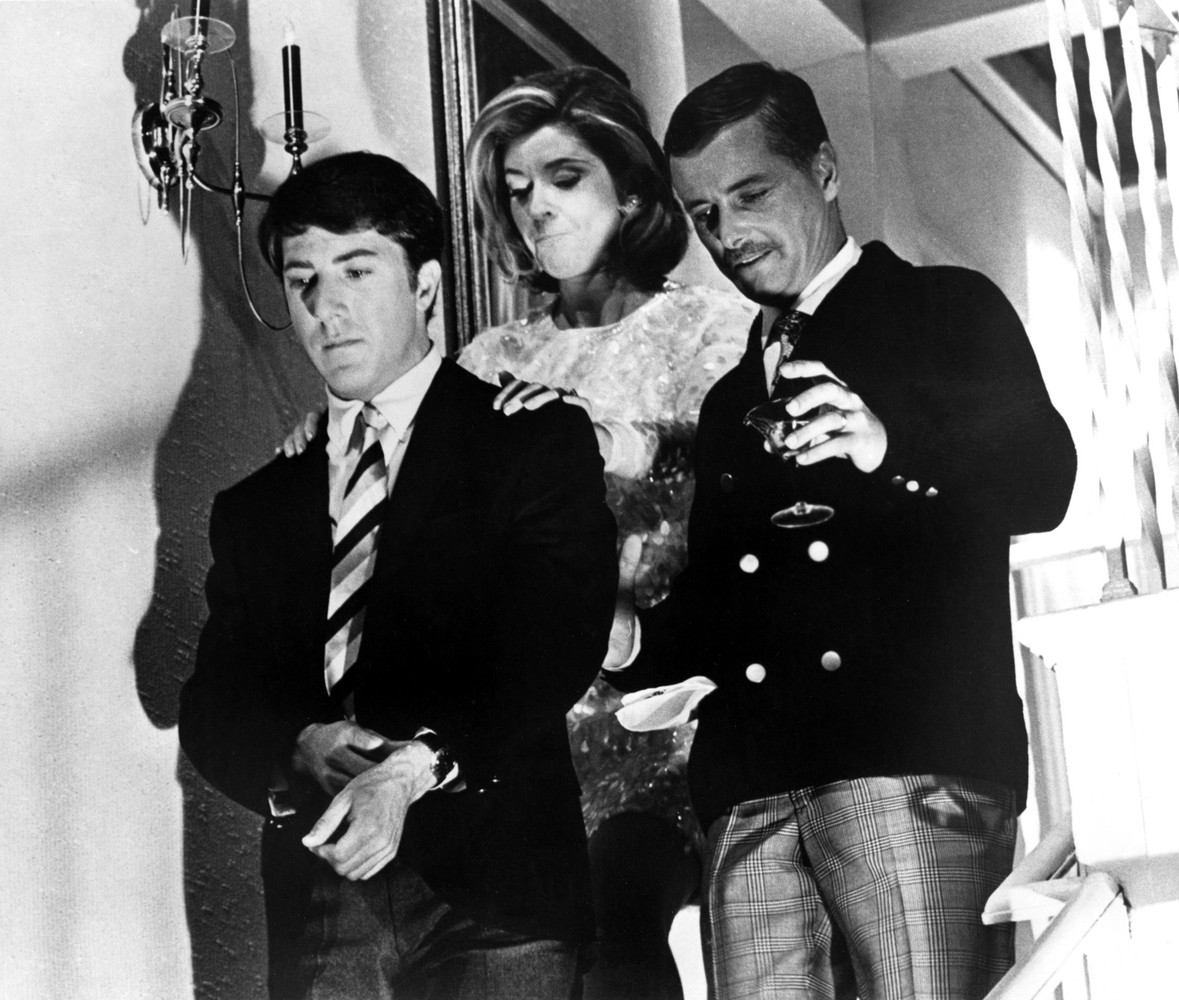
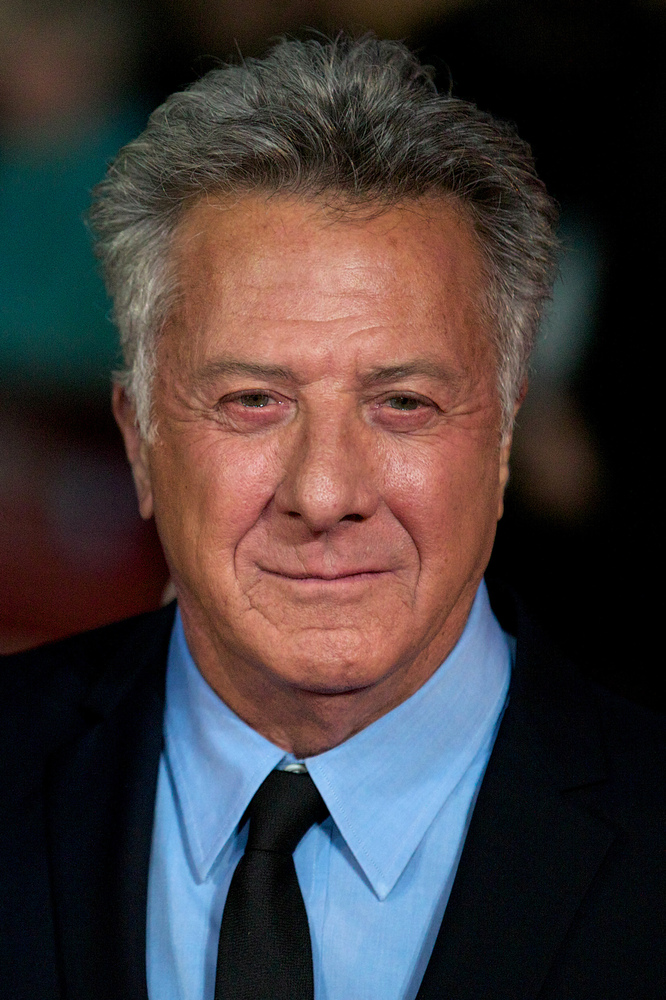
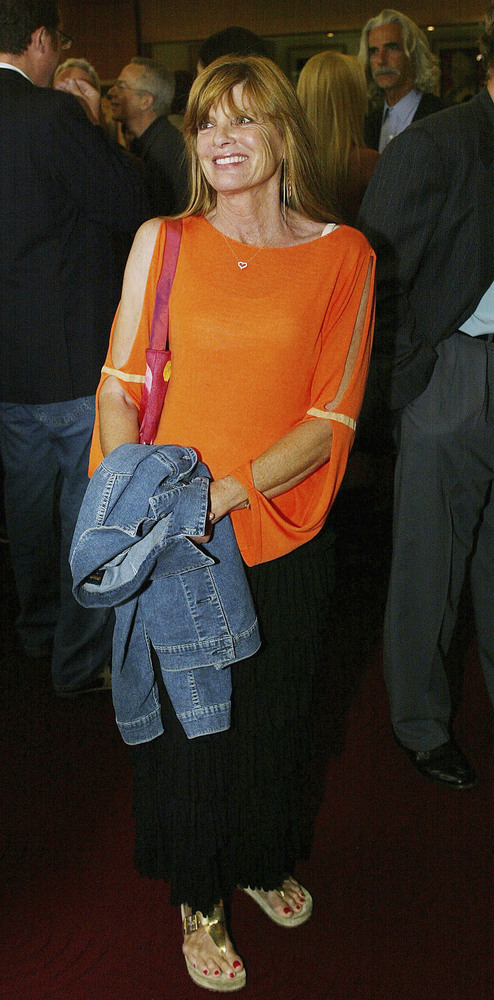
'The Graduate' Cast: Where Are They Now?


The Graduate Where Are They Now

Forty-five years later, it's hard to appreciate what a revolutionary film "The Graduate" was. Not just for its depiction of driftless youth and the sexual revolution, but that it starred a regular guy like Dustin Hoffman. As NY Times critic A.O. Scott said in 2009, casting Hoffman "helped redefine what kind of person could become a movie star."
However, the movie could have been very different: Originally, the role of college graduate Ben Braddock was going to go to Robert Redford (Hoffman's future "All the President's Men" co-star), and Candice Bergen (who'd star in Nichols' 1971 film "Carnal Knowledge") was going to play Elaine. And what about Doris Day as Mrs. Robinson and Marlon Brando as Mr. Robinson? We can't begin to picture that.
Scott argues that the film "never felt dated," although Roger Ebert wrote in 1997 that its "time has passed." Either way, it's been a major influence on countless movies, from "Say Anything" to "Garden State.”
After its release on December 21, 1967, “The Graduate” would rack up seven Oscar nominations, including a Best Director win for Mike Nichols. It's still ranked as Hoffman's eighth highest-grossing film and is No. 21 on the all-time adjusted box office chart.
In honor of the classic, lets take a look back at the cast of "The Graduate."


No. No. NO!

Chile's Oscar foreign film entry 'No' director on politics, freedom, and working with Gael Garcia Bernal

 
As part of an early look at next year’s Oscars, Prize Fighter — in an ongoing series — is highlighting several of the directors and official entries submitted by a whopping 71 countries competing for the Academy Award for best foreign language film.
NO-GARCIA
No. No. NO!
For such a small word, it packs incredible, immediate power shouted in the name of freedom, as in Chile’s official Oscar foreign film entry No, directed by Pablo Larraín (Tony Manero, Post Mortem) and starring Gael García Bernal.
Based on a pivotal moment in Chile’s history, the movie delves into the dueling “YES” and “NO” ad campaigns that aired on TV when dictator Augusto Pinochet scheduled a referendum in 1988, after 15 years in power, for citizens to vote “yes” or “no” to keep him as president another eight years. The movie, adapted from the play El Plebiscito by Antonio Skármeta, has a gritty, realistic feel, shot on videotape and weaving in actual footage from the campaigns. Bernal plays the fictional commercials ad man René Saavedra, who heads up the creatively astute, humorous, and hopeful coalition NO campaign, which beat out the Pinochet-driven YES campaign. Each campaign had 15 minutes of TV airtime a night for 27 days, with the NO campaign’s ad relegated to late night.
The movie has already picked up accolades, snagging the Art Cinema Award at this year’s Cannes Film Festival, plus the 1st Choral Award for Fiction Films at the recent Havana New Latin American Film Festival. It opens in theaters in Los Angeles and New York on Feb. 15.
“It’s a very unique story. Dictators don’t usually leave power through a democratic process. They usually do it through a shootout,” Larraín told EW over the phone from Santiago, Chile. “The story had real authentic stuff coming from a real, authentic situation. It was written by a screenwriter, but created by a society. We fictionalized it, to tell it to the world somehow. This has the elements of a great story, with the crossover of advertisements and political communications. When we’ve shown the movie in a few countries so far, in the U.S., in Canada, in parts of Europe, London, Mexico, people think it’s close to them and way more contemporary. Being about this dramatic bastard Pinochet, the movie looks wider than what we thought.”
Larraín himself was only 12 during the 1988 referendum, and remembers bits and pieces. The NO campaign caught the country in a whirlwind of optimistic images of smiling, singing citizens – showing a version of “what could be” democracy if people voted “no” to Pinochet.
In the film, a catchy NO ad jingle melodically proclaims “Chile, happiness is coming!” spurred on by Bernal’s Saavedra emphasizing a lighter approach in contrast to showing darker images of the Pinochet regime’s longtime penchant for beheadings, torture, and disappearances.
The YES campaign presents Pinochet as a lovable leader out of uniform, “elegant” and “modern.” In one ad, he waves to a crowd, kisses a baby and hugs a child who literally sings his praises and weeps. It’s like portraying Godzilla as a teddy bear. Another YES ad showcases a rousing victory song, and a steamroller crushing lamps, TVs and moving towards a little girl, all while claiming the NO campaign doesn’t respect possessions.
“I remember how silly and violent the YES campaign, and original and moving the NO campaign, were,” said Larraín. “Most people can sing from the campaigns. It’s very important for us, and I grew with those images and music, and political content, and that dream that we had.”

As for Bernal, who has lent his beautiful face and smart, emotional acting to other politically minded movies such as 2004’s Che Guevara early biopic The Motorcycle Diaries and 2010’s Bolivia set Even the Rain, Larraín considers him a singular talent.
“He’s super talented, he’s animatic, and magnetic, and a super political guy. It’s great to have a smart, political actor on the set. He has this enormous history. No matter what he says, no matter how much he talks or expresses himself, he would always be hiding something,” said Larraín. “That’s wonderful, and creates the tension in the audience. With an actor such as him, there’s the mystery, how much can he keep inside. He’s amazing at that. For us, it’s been a privilege.”
The Oscar race, for Larraín, is another beast entirely. His 2008 film Tony Manero made the Oscar foreign film short list for that year, but the politics of getting a nomination is “all new,” he said.
“It’s exciting. It’s like being in a foreign supermarket. Any pressure? Not at all. Anything that can happen can be something good. If we get nominated, that would be wonderful,” he said. “Of course most people like awards and accomplishments. What I do really like is the movie gets showed, and more known by others. With that, I’m the happiest one. I don’t want to keep the movie in the closet.”
Larraín has seen other Oscar foreign film contenders such as Denmark’s A Royal Affair and Austria’s award-winning Amour, and likes them, he said.
But to bring any kind of attention to No means bringing attention to other struggles with freedom and authority in countries all over the globe, Larraín said, including in the U.S.
“If you make movies, as in my case, you talk about things that matter to you. In our human history, artists have been shaping a memory about invisible facts, things that aren’t there any more,” he said. “The responsibility is to be honest and proud of your own work. If you do that, you will connect with others. If you think what’s going on in Spain, what happened in American with Occupy Wall Street. The system is leaking. This movie is also about the economic system, and when you abuse this system. My country is owned by eight or 10 guys. The NO option won, but the YES option stayed.”

 http://insidemovies.ew.com/2012/12/19/prize-fighter-chile-oscar-foreign-film-no-director-pablo-larrain/
 

sábado, 29 de dezembro de 2012

SEGUNDA PELE - ROBERTA SÁ


Segunda Pele

Carlos Rennó e Gustavo Ruiz

À noite eu lhe convido:
"Querido, vem pra cá"
Um som no seu ouvido
Sussurra logo: "Vá!"
Por perto alguma gata
Já grita que nem fã
E logo o amor nos ata
Na noite, nossa irmã
Quando ele vem, faço dele
Minha luva, meu collant
A minha segunda pele
O meu cobertor de lã
São Paulo tá tão frio
Três graus, a sensação
Mas o seu arrepio
Não é de frio, não
Sou eu na sua pele
Que afago com afã
Pra que seu fogo pele
A sua anfitriã
Quando ele vem, faço dele
Minha luva, meu collant
A minha segunda pele
O meu cobertor de lã
Enquanto a noite passa
Aos braços da manhã
A gente ainda passa
Os dentes na maçã
O nosso amor é massa
Pra lá de Amsterdam
O resto é o resto, e passa
O resto é espuma, é spam
Quando ele vem, faço dele
Minha luva, meu collant
A minha segunda pele
O meu cobertor de lã
Quando ele vem, faço dele
Minha luva ou sutiã
A minha segunda pele
O meu cobertor de lã